
The evolution of gambling A historical perspective on games of chance
The Origins of Gambling
The history of gambling dates back thousands of years, with evidence suggesting that it was practiced in ancient China, Greece, and Rome. Archaeological findings, including dice made from bones and betting slips, indicate that games of chance were an integral part of these early civilizations. In China, the earliest known form of gambling, known as “keno,” was used to fund government projects and military efforts. This highlights not only the popularity of gambling but its importance in society.
In ancient Rome, gambling was both a pastime and a source of revenue. Citizens often engaged in betting on gladiatorial games, chariot races, and other public spectacles. Roman laws regulated gambling to ensure fairness and mitigate disputes. This early regulation of gambling set a precedent for modern gaming legislation, demonstrating how society has long grappled with the balance of enjoyment and risk.
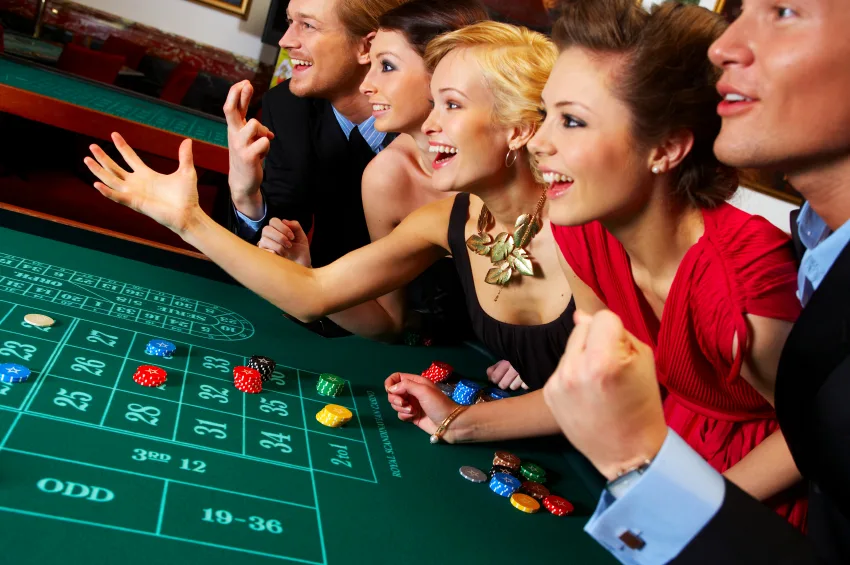
The emergence of card games in the Middle Ages marked a significant shift in gambling culture. Originating in Asia and spreading to Europe, card games introduced new dynamics, blending skill with chance. The popularity of games such as poker and blackjack laid the groundwork for modern casinos, showcasing how gambling has evolved from simple dice and betting slips to complex games requiring strategy and psychological insight.
The Rise of Casinos
The 17th century witnessed the establishment of formal gambling houses, known as casinos, particularly in Italy. These establishments provided a regulated environment for gambling, distancing it from the illicit undertones associated with informal betting. With the rise of the casino, the games expanded beyond dice and cards to include a variety of options such as roulette and baccarat, attracting an increasingly affluent clientele.
As casinos gained popularity, they began to flourish in other parts of Europe. The 19th century saw the opening of iconic casinos like the Casino de Monte-Carlo in Monaco, which became a symbol of luxury and wealth. These casinos not only offered games of chance but also served as social hubs where the elite could gather, further entwining gambling with the fabric of high society. The allure of casinos transformed gambling into a glamorous pursuit.
The integration of technology during the 20th century revolutionized casinos. The introduction of slot machines in the early 1900s democratized gambling, allowing anyone to play without needing extensive knowledge of complex rules. These machines quickly became a staple in casinos, leading to increased revenue and attracting a diverse range of players, thereby expanding the gambling demographic significantly.
The Globalization of Gambling
The latter half of the 20th century marked a significant shift in the global landscape of gambling. The legalization of casinos in the United States, particularly in Nevada with Las Vegas emerging as a gambling mecca, set the stage for a worldwide proliferation of gaming establishments. Las Vegas transformed from a small desert town to a bustling metropolis, showcasing the massive economic potential of legalized gambling.
As gambling spread globally, various cultures adapted it to their customs. In Asia, the rise of gaming hubs like Macau turned the region into a premier destination for gamblers from around the world. The unique blend of Eastern traditions with Western gambling practices demonstrated how gambling had become a global phenomenon, transcending cultural boundaries and drawing in diverse audiences.
Online gambling began to emerge in the late 1990s, further revolutionizing the industry. With the advent of the internet, players could access games from the comfort of their homes, leading to an explosion in online casinos. This new frontier not only offered convenience but also expanded the range of games available, enabling operators to cater to different preferences and enhance user experiences.
The Role of Luck Versus Skill in Gambling
The debate surrounding luck versus skill in gambling is as old as the games themselves. Many traditional games, such as roulette, are primarily based on chance, while others, such as poker, require a considerable amount of skill and strategy. This dichotomy influences player choices and experiences, as those who prefer skill-based games often seek to hone their abilities, while others may enjoy the thrill of pure luck.
Skill-based games often attract players who appreciate the complexities of strategy and psychological tactics. Poker, for example, is not only about the cards but also involves reading opponents and calculating probabilities. This skill set can lead to significant financial gains, attracting a dedicated community of players who participate in tournaments and professional leagues.
Conversely, games reliant on luck often draw casual players who seek immediate gratification and entertainment. The unpredictability of games like slots or roulette provides an adrenaline rush that keeps players coming back. This dynamic illustrates how different preferences shape gambling experiences, with both types of games coexisting and appealing to various audiences across the spectrum.
Exploring Casea Casino: A Modern Gaming Destination
In today’s digital age, online platforms like redefine the gambling landscape. With a vast array of games ranging from classic table games to innovative slots, Casea caters to players looking for diverse experiences. The platform combines the thrill of traditional gambling with the convenience of modern technology, allowing players to enjoy their favorite games at their leisure.
emphasizes security and customer satisfaction, providing a safe gaming environment with fast payouts and robust support. Their commitment to user experience ensures that players can focus on what matters most—enjoying the thrill of the game. Promotions and bonuses further enhance the gaming experience, attracting both newcomers and seasoned players alike.
As the gambling industry continues to evolve, platforms like exemplify the future of gaming. By blending traditional elements with contemporary innovations, they create an engaging and secure environment that honors the rich history of gambling while embracing the opportunities of tomorrow. Join to experience a modern twist on the timeless excitement of games of chance.