
Understanding the Psychological Thrills of Gambling What Makes Us Bet
The Allure of Risk and Uncertainty
One of the primary psychological draws of gambling is the allure of risk and uncertainty. Individuals are naturally drawn to situations where the outcomes are uncertain. This unpredictability evokes a sense of thrill, making the experience both exhilarating and addictive. While exploring the world of gaming, you can visit CrazyTower Casino, where players engage in a psychological dance with chance, experiencing both the potential for reward and the possibility of loss, which heightens their emotional state. This rush creates a powerful motivation to continue playing, even when the odds might not be in their favor.

The brain’s reward system plays a pivotal role in this dynamic. When a gambler wins, dopamine—a neurotransmitter linked to pleasure—is released, reinforcing the behavior and leading to a cycle of wanting more. This feeling of euphoria often overshadows the risks involved. As players continue to gamble, they may become desensitized to losses, further fueling their desire to chase after that next high. Understanding this can shed light on why some individuals are prone to compulsive gambling behaviors.
This emotional rollercoaster created by uncertainty and risk can be intoxicating. The thrill of a potential win can overshadow logical reasoning, causing individuals to chase losses or make impulsive bets. The psychological tendency to focus on past victories while ignoring losses can lead to a distorted perception of gambling as a way to achieve success. Consequently, the excitement surrounding gambling becomes a powerful motivator, often leading to repeated engagement with these activities.
The Role of Social Interaction
Another significant factor influencing the psychology of gambling is the social aspect. Many individuals are drawn to casinos or online platforms not just for the games, but also for the community experience. Whether it’s sharing in the excitement of a big win or commiserating over losses, social interactions can enhance the overall experience. Gamblers often find camaraderie among fellow players, creating an environment where sharing stories and experiences becomes part of the fun.
This social environment can reinforce gambling behaviors. For instance, individuals may feel compelled to participate in betting activities simply to maintain their social connections. The fear of missing out (FOMO) can be a powerful motivator, driving individuals to engage in gambling activities even when they may not be financially prudent. Additionally, the presence of friends can normalize risky behaviors, making it easier for individuals to overlook the potential negative consequences associated with gambling.
Moreover, online gambling platforms have transformed social interaction in gaming. Features like live dealer games and chat functions allow players to communicate in real-time, mimicking the social environment of traditional casinos. This virtual socialization not only enhances engagement but can also lead to deeper emotional investments in gambling, further intertwining social dynamics with psychological motivations. Understanding these social factors is essential for comprehending the full spectrum of gambling behaviors.
The Impact of Marketing and Accessibility
Marketing strategies significantly affect the psychology of gambling. Advertising often portrays gambling as a glamorous and exciting activity, associating it with wealth and success. This portrayal can create a skewed perception of gambling, making it seem more appealing than it might be in reality. The strategic use of imagery, celebrity endorsements, and promotional offers can entice new players while reinforcing existing gamblers’ desire to continue betting. This psychological manipulation can be quite potent, drawing individuals into the world of gambling.
Moreover, the accessibility of gambling has increased dramatically in recent years. With the rise of online casinos, players can engage in gambling activities from the comfort of their homes. This convenience can lead to impulsive decisions, as the barriers to entry are significantly lowered. Instant access to games and betting options can create a sense of urgency, compelling individuals to place bets more frequently. Understanding the implications of easy access is crucial for grasping the psychological underpinnings of modern gambling habits.
The pervasive nature of gambling advertisements and promotions can normalize gambling behavior in society. As more individuals see gambling as a mainstream activity, the stigma surrounding it diminishes, making it easier for people to engage in such activities without considering the potential risks. This normalization can have lasting implications on individual psychology, influencing perceptions of gambling and its consequences, ultimately feeding into compulsive behaviors.
The Psychological Consequences of Gambling
While gambling can provide excitement and social interaction, it is crucial to address the psychological consequences that can arise from excessive engagement. Problem gambling can lead to significant emotional and mental health issues, including anxiety, depression, and feelings of isolation. Many individuals who struggle with gambling addiction may find themselves trapped in a cycle of chasing losses, leading to greater financial instability and personal distress.
The psychological toll of gambling can also extend to relationships. As individuals prioritize gambling over other responsibilities and social interactions, they may strain familial and social bonds. The secrecy often associated with gambling can lead to further isolation, creating a detrimental cycle that is hard to break. Recognizing the signs of problematic gambling behavior is essential for intervention and recovery.
Furthermore, the repercussions of gambling extend beyond personal issues to affect communities and economies. Problem gambling can lead to increased healthcare costs, lost productivity, and a rise in crime rates. Understanding the broader implications of gambling behavior highlights the importance of promoting responsible gaming practices. Addressing these psychological consequences is vital for fostering healthier attitudes toward gambling and ensuring the well-being of individuals and communities alike.
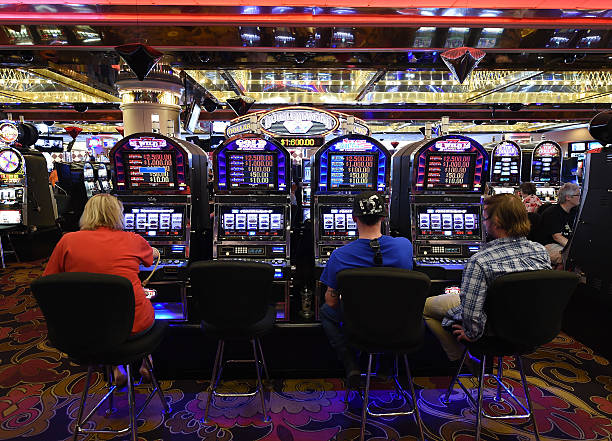
CrazyTower Casino: Your Gateway to Responsible Gaming
At CrazyTower Casino, we strive to offer a thrilling yet responsible gaming experience. Our platform is designed to prioritize player safety and well-being while providing an extensive array of games. With over 3,000 titles to choose from, including exciting slots and live dealer options, we aim to create a fun and engaging environment for all players. Our commitment to responsible gaming means that we encourage players to gamble within their means and seek help if needed.
We understand the psychological aspects of gambling and the importance of maintaining a balanced approach. Our resources are available to educate players about the risks associated with gambling, helping them make informed decisions. With features like self-exclusion and deposit limits, we empower our community to engage in gaming responsibly. We believe that a responsible gaming experience can enhance enjoyment while reducing the potential for negative psychological impacts.
Join CrazyTower Casino today to experience the excitement of gaming while being part of a community that values responsible play. Together, we can enjoy the thrills of gambling while prioritizing mental health and well-being. Explore our games, take advantage of our generous welcome bonus, and embark on a fun, secure gaming journey with us.